

Overview

The B.Sc. Optometry program is an undergraduate course designed to equip students with comprehensive knowledge and skills in eye examination, diagnosis, and the management of diseases related to the visual system. Optometrists, as primary healthcare specialists, undergo specialized training to examine eyes, detect defects in vision, identify signs of injury, diagnose eye diseases or abnormalities, and assess general health concerns related to the eyes.
Key Aspects of B.Sc. Optometry
Vision Care Professionals: Optometrists play a crucial role as primary vision care professionals, focusing on preventive eye care, early detection of eye-related issues, and the overall well-being of patients.
Eye Examination and Diagnosis: The program emphasizes training in conducting thorough eye examinations, using advanced diagnostic tools and techniques to identify visual impairments, and determining appropriate interventions.
Prescription and Lens Fitting: Students are trained to prescribe and fit lenses to improve the vision of patients. This includes a deep understanding of various types of lenses and their applications to address specific visual needs.
Specialization Opportunities: B.Sc. Optometry offers students the opportunity to specialize in various areas such as Contact Lens, Orthotics, Low Vision Aids, Sports Vision, Pediatric Optometry, Behavioral Optometry, and more. This specialization enhances the depth of knowledge and opens up diverse career paths.
Career Opportunities: The program is career-oriented, providing graduates with numerous opportunities in both private and government sectors. Graduates can pursue careers in eye clinics, hospitals, optical showrooms, and research institutions, contributing to the advancement of eye care services.
Scope and Versatility: B.Sc. Optometry graduates are well-equipped to handle a wide range of eye-related issues, making them versatile professionals in the field of vision care.
- B.Sc. Optometry is an Undergraduate Program which deals with the Eye examination, diagnosis, and management of diseases of the visual system.
- Optometrists are primary health care specialists trained to examine the eyes to detect defects in vision, signs of injury, eye diseases or abnormality and problems with general health.
- It trains the students to work as professionals whose main intent is to assess the vision of patient, prescribe & fit lenses to improve their vision.
- Students can also specialize in the field of Contact Lens, Orthotics, Low Vision Aids, Sports Vision, Pediatric Optometry, Behavioral Optometry etc. The course is a career offering in nature that opens many scopes for the applicants both in private and government sectors.
Bsc in Emergency and Trauma care Technology
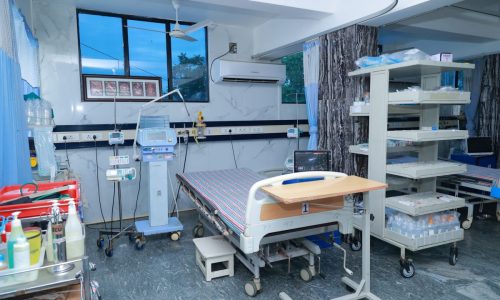
Key Aspects of Bsc in Emergency and Trauma care Technology:
- Training to rapidly assess patients in life-threatening conditions.
- Recognizing symptoms, prioritizing care, and initiating immediate interventions.
- Proficiency in CPR, airway management, ventilatory support, and cardiac care.
- Use of defibrillators, monitors, and life-saving medical equipment.
- Training in emergency departments, trauma centers, and ICUs.
- Understanding critical patient monitoring, drug administration, and rapid intervention techniques.
- Handling injuries caused by accidents, falls, violence, burns, and disasters.
- Learning protocols for stabilizing fractures, head injuries, spinal trauma, and polytrauma cases
- Providing emergency treatment during transportation.
- Knowledge of ambulance protocols, triage, and communication with hospital teams.
- Developing the ability to make quick, accurate decisions under pressure.
- Prioritization and teamwork in highly stressful situations.
Eligibility
* Candidates should have passed 10+2 level with Physics, Chemistry and Biology as subject of study
* Lateral Entry: The Candidate who have completed their 2 or 3 years Dilpoma in various field can take admission in 2nd year Bsc in Emergency and Trauma care Technology.
Attendance
80% of total number of classes conducted in a year. Only those candidates are eligible to appear for university examination.
Higher Studies
Masters in various field (Msc in Emergency and Trauma care technology, Masters in medical subjects)
Duration
3 years including 1 year of Internship
Internship
One year (365 days) of Clinical Postings
- Hospital-Based Clinical Roles
- Disaster & Trauma Response Agencies
- Aviation & Industrial Emergency Services
- Healthcare Management & Coordination Roles
- Teaching, Training & Academic Roles
- Opportunities Abroad
Working Field
- Hospital Emergency Departments
- Government Healthcare Sectors
- Teaching & Training Institutions
- NGOs & International Health Organizations
- Clinical Research
Other Courses Offered in B.Sc
NETRA JYOTHI INSTITUTE OF ALLIED HEALTH SCIENCES
Allied Health Sciences & Para Medical Sciences are interdisciplinary medical courses and subjects that are becoming increasingly important in health care systems.
