

Overview
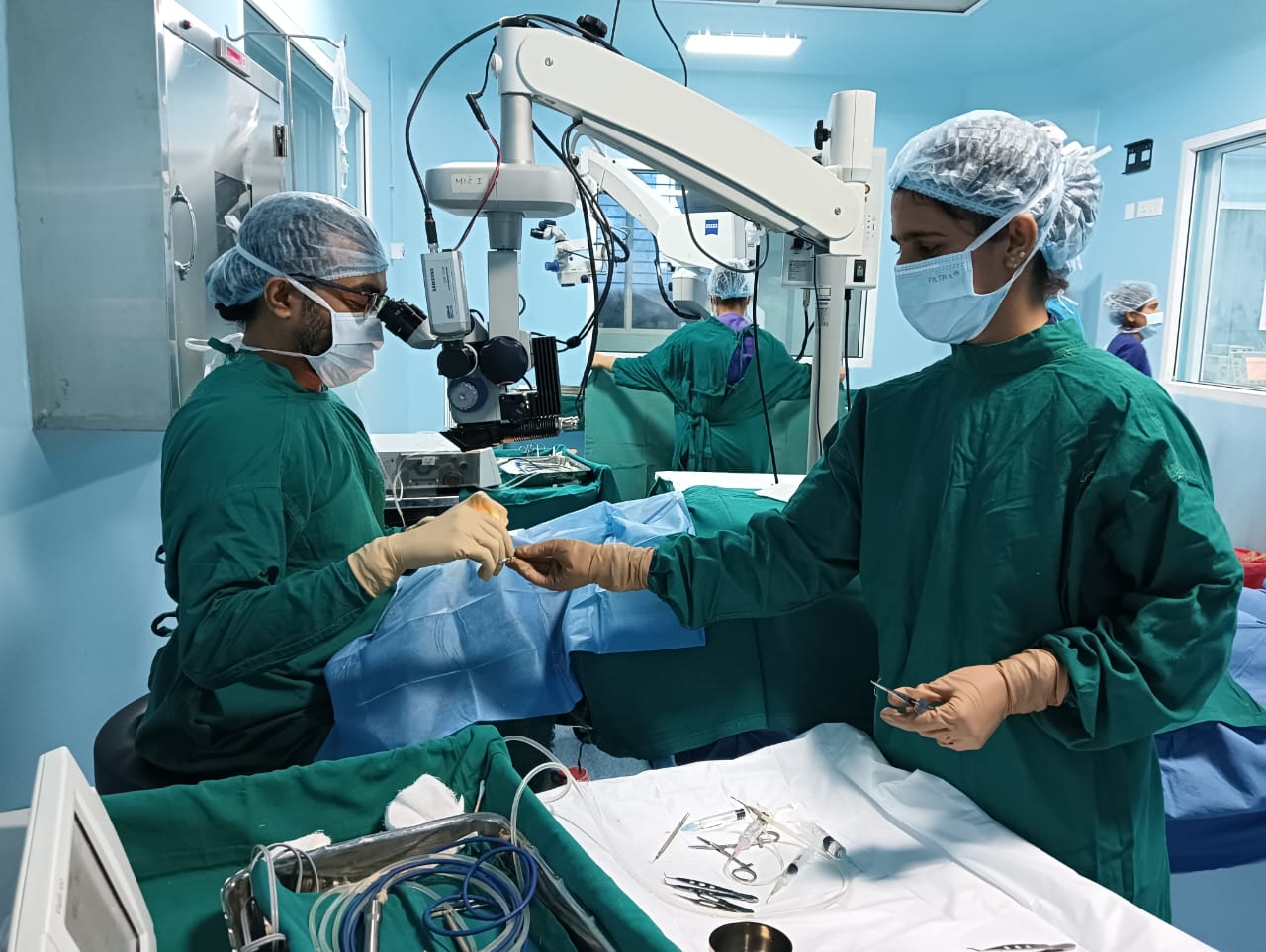
The Operation Theatre Technology program trains students to become vital members of the allied healthcare profession, specializing in the dynamicenvironment of surgical procedures. Operation Theatre Technologists play a crucial role in supporting medical professionals during surgeries, focusing on the sterilization and organization of surgical instruments.
Key Aspects of Operation Theatre Technology:
Assisting in Surgical Procedures: Operation Theatre Technologists primarily assist doctors during surgeries, ensuring the smooth functioning of the operation theatre. They play a pivotal role in creating a sterile environment, arranging instruments, and facilitating the surgical team’s needs.
Sterilization Expertise: A significant aspect of the training involves mastering sterilization techniques for surgical instruments. This ensures the prevention of infections and maintains aseptic conditions within the operation theatre.
Focus on Critical Units: Operation Theatre Technologists are in high demand in Intensive Care Units (ICUs) and Emergency Units of hospitals. Their expertise is essential for handling critical situations and emergencies that require surgical intervention.
Course Objectives: The primary aim of the program is to educate and train students in the management of operation theatres. This includes hands-on experience in handling a diverse range of operating instruments, from traditional to electronic and advanced equipment utilized in modern operation theatres.
Advanced Equipment Handling: The curriculum is designed to familiarize students with the latest technological advancements in surgical procedures. This includes training in the operation and maintenance of electronic and advanced equipment used in contemporary operation theatres.
Practical Exposure: Emphasis is placed on practical training to ensure that students are not only well-versed in theoretical knowledge but also adept at applying their skills in real-life surgical settings.
Hospital Settings: Graduates of the Operation Theatre Technology program are well-prepared to work in hospital settings, where their skills are essential for the efficient functioning of operation theatres. Their role significantly contributes to the success of surgical procedures.
In conclusion, the Operation Theatre Technology program aims to produce skilled professionals who can effectively manage operation theatres, contribute to the success of surgical procedures, and meet the demands of critical units in healthcare settings. This program aligns with the broader goal of providing high-quality allied healthcare professionals to support the medical fraternity and enhance patient care in surgical interventions.
- Operation theatre technologists are the allied healthcare professional.
- They mainly assists the doctors during the surgery, sterilizing and arranging the surgical instruments.
- These technologists are mainly required in Intensive care units and Emergency units in the Hospitals.
- Aim of the course is to teach and train students in management of operation theatre along with handling a variety of operating instruments including electronic and advanced equipments used in modern operation theatres.
B.Sc. in Medical Imaging Technology
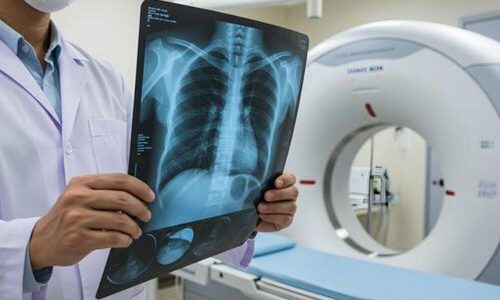
Key Aspects of Bsc in medical imaging technology:
X-ray imaging uses low doses of ionizing radiation to produce images of bones and some soft tissues. It is commonly used to detect fractures, infections, and abnormalities..
This field involves the use of radioactive tracers to evaluate organ function and detect diseases like cancer, thyroid disorders, or heart abnormalities.
Imaging technologists work directly with patients—explaining procedures, ensuring comfort, managing anxiety, and handling special populations .
Technologists must operate complex imaging devices and perform routine quality checks to ensure images are accurate and equipment is safe and calibrated.
MRI uses strong magnetic fields and radio waves to produce highly detailed images, especially of the brain, spine, joints, and soft tissues.
Technologists use digital systems to enhance, store, and analyze images. Knowledge of PACS (Picture Archiving and Communication Systems), image quality factors, and post-processing is essential.
Clinical training teaches real-world procedures, teamwork, emergency handling, and ethical practice.
Eligibility
* Candidates should have passed 10+2 level with Physics, Chemistry and Biology as subject of study.
* Lateral Entry: The Candidate who have completed their 2 or 3 years Diploma in Medical Imaging technology can take admission in 2nd year B.Sc in Medical Imaging Technology.
Attendance
80% of total number of classes conducted in a year. Only those candidates are eligible to appear for university examination
Higher Studies
Masters in various fields (M.sc MIT ,Masters in medical subjects)
Duration
3 years including 1 year of Internship
Internship
One year (365 days) of Clinical Postings
Job Opportunities
- Radiology / X-Ray Technologist
- CT Scan Technologist
- MRI Technologist
- Nuclear Medicine Technologist
- Quality Control Technologist
- Research Assistant in Medical Imaging
Working Field
- Government Hospitals
- Private Hospitals
- Diagnostic centers
- Medical colleges and universities
- Government Hospitals
- Government Hospitals
Other Courses Offered in B.Sc
NETRA JYOTHI INSTITUTE OF ALLIED HEALTH SCIENCES
Allied Health Sciences & Para Medical Sciences are interdisciplinary medical courses and subjects that are becoming increasingly important in health care systems.
